
Forex Scam Fund Recovery: Step-by-Step Process That Actually Matters
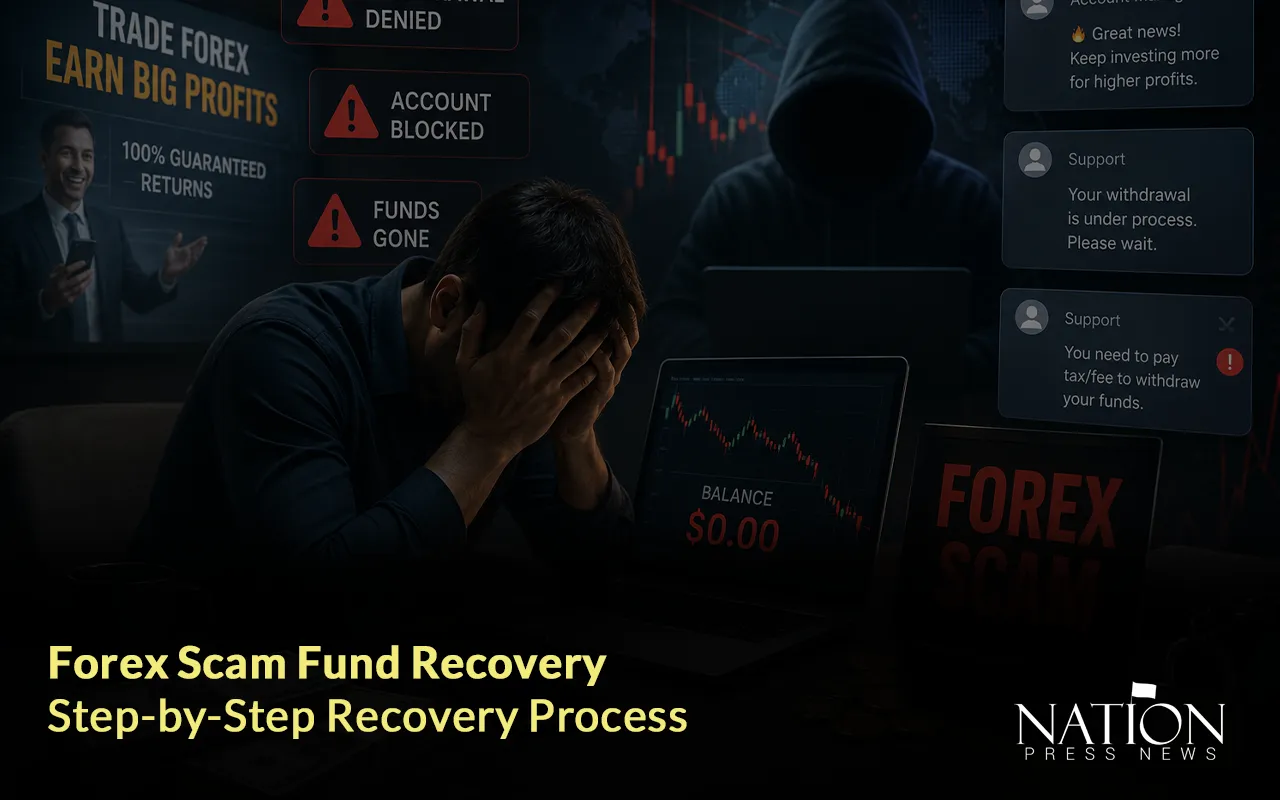
So you’ve realized it. The dashboard stopped updating, the “account manager” went quiet, and that sick feeling in your stomach confirmed what you already suspected. You got scammed.
You are not alone. These scams are designed to deceive people. If you’ve been targeted, a specialist in Recovering Forex Scams can help you understand your next steps.
The shame spiral doesn’t help. What helps is taking the right action, starting today.
Here’s what that actually looks like.
Step 1: Stop All Contact But Don’t Delete Anything
The instinct is to block the number, delete the app, scrub the whole embarrassing chapter from your phone. Don’t. Everything you have: chat logs, the platform’s URL, deposit confirmations- that one screenshot of your “balance” before it vanished is evidence. Save it to a folder, back it up somewhere separate from your phone, and only then stop responding to whoever’s on the other end.
Step 2: Go to Your Bank or Card Provider Same Day
If any part of this went through a card or a wire transfer, call your bank immediately. Don’t wait; act immediately, not after you’ve calmed down or tomorrow. Contact your bank right away and specifically request a wire recall or chargeback. Be clear that this is a case of fraud, not a failed investment. Banks handle fraud cases differently from regular transactions, but only if you report it promptly
Step 3: Trace the Crypto, If There Was Any
If you paid or “profited” in crypto, pull every wallet address and transaction hash you can find. This part surprises people: blockchain transactions aren’t as untraceable as scammers want you to believe. Every transfer leaves a permanent, public trail. The hard part is connecting that trail to a real person or exchange, which is exactly what forensic firms and investigators are built to do.
Step 4: Report It And Report It Everywhere
One report to one agency rarely moves fast on its own. File with your national fraud reporting body and your local financial regulator, and if the platform claimed any licensing, report it to whichever regulator they falsely name-dropped. Regulators can sometimes freeze accounts tied to known scam operations before the money scatters further, but only if enough reports land in the same place at the same time. A single complaint gets filed. Fifty complaints about the same operation are investigated.
Step 5: Carefully Bring in Real Professionals
In cross-border cases, when a criminal case may stall, but a civil action can still recover something, this is where reputable forensic companies or recovery experts can intervene. The keyword is verifiable. Check their registration. Seek out reviews that are not limited to their own website. Before any money is transferred, get everything in writing.
Step 6: Watch for Round Two
Here’s the part nobody warns you about enough: the moment word gets out that you lost money, “recovery agents” start circling. They’ll promise guaranteed returns, ask for a fee upfront, and pressure you to act immediately- the same playbook as the original scam, just wearing a different mask. Anyone who contacts you first, claiming they can retrieve your funds for a fee, is not step six. They’re a second scam.
Step 7: Keep Moving and Document Everything
Recovery rarely results in a single, stunning triumph. In a running file, note who you’ve spoken to, when, and what they said. It matters if your case ever joins with others and you finally need legal assistance.
The Real Bottom Line
Not every case ends with a full refund. Some don’t end with any refund at all. The outcome usually depends on how quickly you act, the evidence you have, and the payment method used.
Don’t stay silent. Contact a Scam Recovery Expert as soon as possible to understand your options and preserve important evidence. Reporting the scam may also help prevent others from becoming victims.
The process takes patience, but taking action gives you a better chance than doing nothing.