
Asked to Pay Tax Before Withdrawing Money? How to Spot the Scam
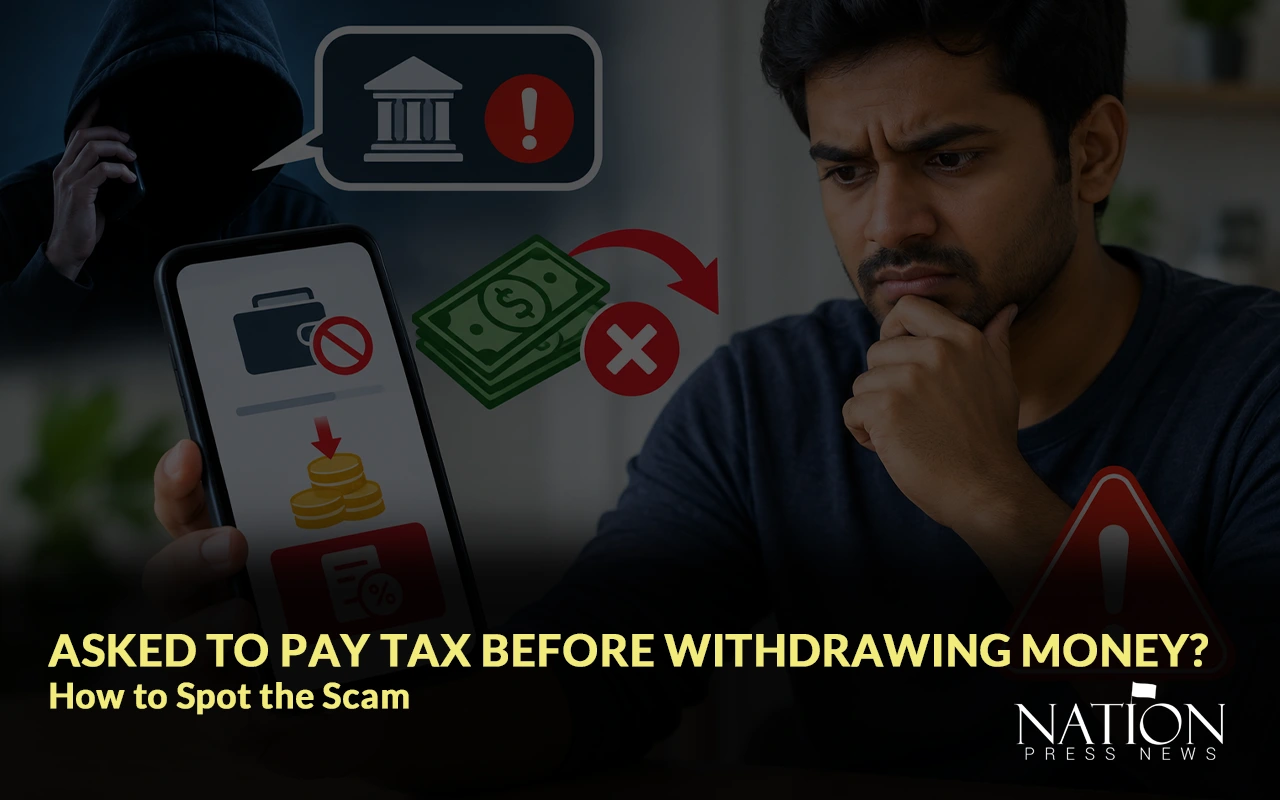
Here’s a scenario that scammers may use to pressure investors into making an unexpected payment. An investor gets a call, or maybe an email that looks official enough. Someone claiming to be from the IRS, a brokerage, or even their own “compliance department” tells them there’s a problem.
To release their retirement funds, or to avoid a penalty, they need to pay an additional tax upfront. Right now. Before the funds get frozen.
You say that, and it’s ridiculous. And yet these tactics can be effective because they rely on urgency, making it harder for victims to pause and verify the request.
Let’s face it, this is the ‘extra tax’ withdrawal fraud. It can target investors with brokerage or retirement accounts because an unexpected tax-related demand may sound plausible when it is presented as part of a legitimate withdrawal process.
Why This One Is So Effective
Most crypto scams rely on one lever. This one pulls three at once.
First, there’s authority. The caller name-drops the IRS, or references your actual account number (often scraped from a data breach), and suddenly the whole thing feels legitimate.
Second, there’s fear. Nobody wants a tax penalty. No one wants their retirement account frozen. That fear switches off the part of your brain that would normally say, “wait, does this even make sense?”
Third, there is time pressure.
“You have until the end of business today.” That kind of deadline can push victims into costly decisions before they have time to verify the request.
What Investors Can Do to Avoid the Scam
Talk to people who dodged this scam, and you’ll notice they didn’t do anything heroic. They just slowed down.
They hung up and called back. Not the number the caller gave them the number on their actual account statement or the IRS’s published line. Independent verification can help determine whether an ‘urgent’ request is legitimate or potentially fraudulent.
They asked their actual advisor. Not the person who called them, their real, existing financial advisor, or the brokerage’s official support line. A quick phone call can help prevent a potentially costly payment.
The first message went unheeded. Don’t answer right away. Scammers use urgency to push you to act before you verify the request. “Even a brief pause allows you to confirm the statement yourself and spot inconsistencies.” That brief pause can give you time to reconsider the request and verify whether it is legitimate.
They spoke to someone else about it. A husband. A brother. A friend in finance. Discussing the request with someone you trust can provide another perspective and may help you identify warning signs you overlooked.
Red Flags You May Be Dealing with a Withdrawal Tax Scam
- You’re told to pay tax before withdrawing your money
- You’re pressured to pay immediately
- You’re threatened with a frozen account or additional penalties
- You’re asked to send crypto, a wire transfer, or another direct payment
- You’re told another payment will finally “release” your funds
- You’re discouraged from contacting the brokerage or authority independently
The Real Lesson Here
None of this required special expertise. It required friction: a deliberate pause between “I got a scary call” and “I sent money.” That simple pause can be an important part of protecting yourself from an urgent payment scam.
If there’s one habit worth building, it’s this: any request for immediate payment tied to your retirement or investment accounts is verified through a channel you control, not one the caller provides.
Look up the number yourself. Log into your account directly instead of clicking a link. Call your advisor on the number already saved in your phone.
Scammers are betting that fear moves faster than verification. Taking time to independently verify the request can help reduce the risk of sending money to a scammer.