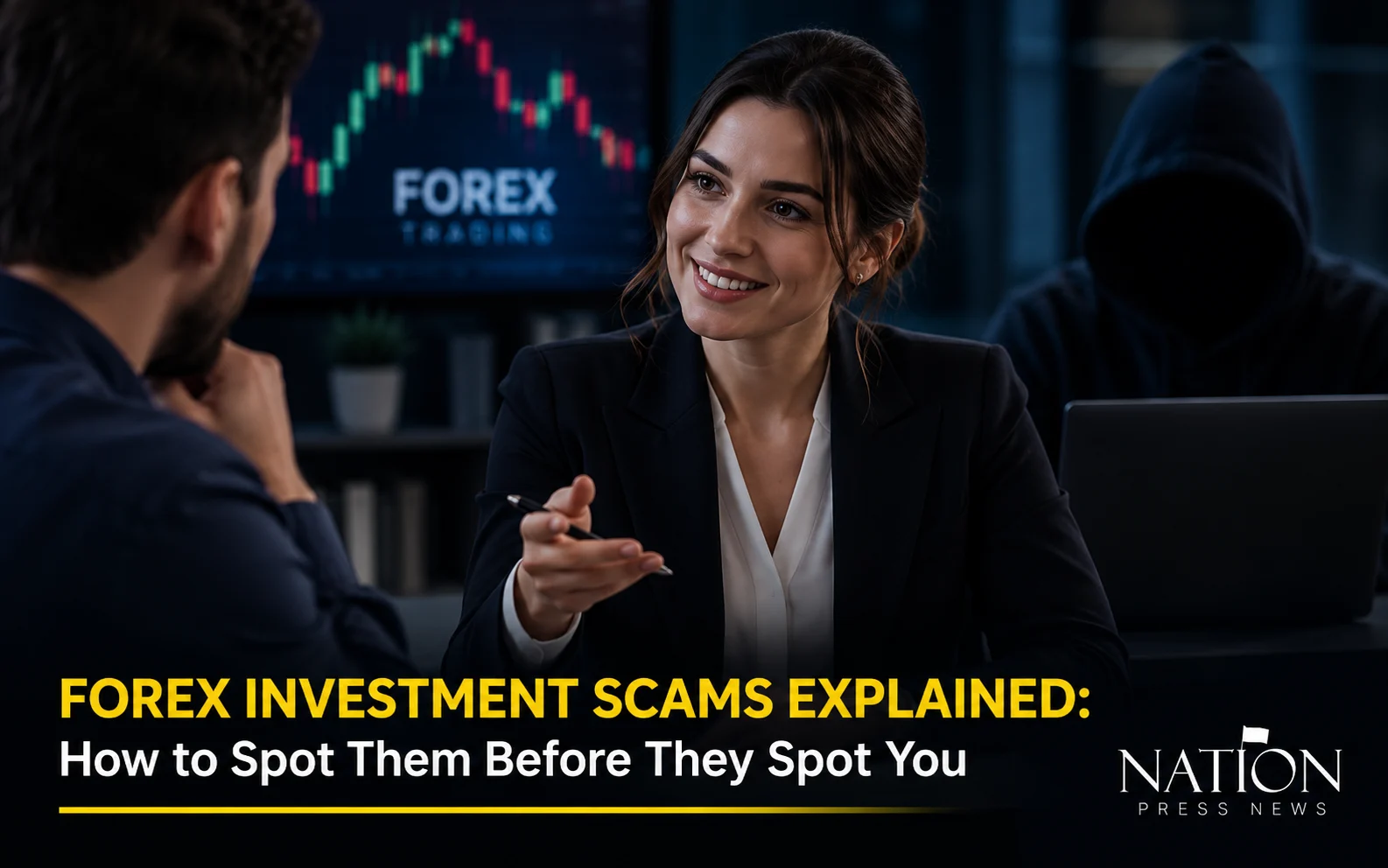
Forex Investment Scams Explained: How to Spot Them Before They Spot You
A friend of mine once got a message from someone she’d matched with on a dating app. Nice guy, worked in finance, lived overseas. Three weeks in, he mentioned he’d been trading forex and made some serious money doing it.
Wanted to help her get started as well. She almost sent him 2 grand, but called me first. This is not an uncommon story. It is almost the template.
Forex is short for foreign exchange and is the largest financial market in the world, with trillions of dollars traded every single day. It’s that very size and validity that scammers take advantage of. They borrow the language of a real market to sell something that isn’t real at all.
Why Forex Scams Work So Well
Currency trading is genuinely complicated. Most people don’t understand pip spreads, leverage, or how exchange rates move — and fraudsters are relying on that gap. They don’t want you to know how the mechanics work. They just need you to trust the person telling you.
That’s the real product being sold: trust, dressed up as expertise.
The Common Playbook
The “guaranteed returns” pitch. Real forex trading carries real risk — even professionals lose money regularly. Anyone promising you steady, guaranteed profits, especially double-digit weekly returns, is lying. No legitimate trader can promise that, because markets don’t work that way.
The fake trading platform. Some scams involve slick-looking apps or websites showing your “portfolio” growing by the day. The numbers are fabricated. You’re not actually trading anything — you’re watching a dashboard designed to keep you calm and keep you funding the account.
The romance-meets-finance con. This is the one that got my friend’s almost-$2,000. Someone builds a relationship online, sometimes for weeks, before casually introducing a “trading opportunity.” It works because it isn’t a cold pitch anymore — it’s coming from someone you supposedly trust.
The signal-seller scheme. You pay a subscription fee for expert trading “signals” telling you when to buy or sell. Some of these are just recycled tips pulled from free sources online. Others are outright fabricated, designed only to keep the subscription payments coming.
The unregistered broker. This is the quiet one. A broker takes your deposit, and everything looks normal — until you try to withdraw. Suddenly there are fees, delays, or a support team that’s gone silent. If a broker isn’t registered with a real regulator, you have almost no recourse when that happens.
How to Actually Protect Yourself
Start by checking regulation. In the US, that means the CFTC or NFA. In the UK, it’s the FCA. If a broker can’t point to a real regulatory license, that’s your answer right there.
Be suspicious of urgency. Scammers love deadlines — “this opportunity closes tonight” is a pressure tactic, not a market condition.
Ask basic questions. How exactly does the strategy work? What happens if a trade goes wrong? A legitimate trader can answer. A scammer will deflect, or answer with more confidence than substance.
And maybe the simplest rule: if a stranger — online, at a networking event, wherever — starts steering the conversation toward an investment opportunity a little too smoothly, slow down. Real financial relationships don’t usually move that fast.
The Bottom Line
Forex itself isn’t a scam. It’s a legitimate, if genuinely difficult, market. The scams live in the space between people’s hope for an easy return and their unfamiliarity with how currency trading actually works.
The best defense isn’t becoming a forex expert overnight. It’s staying skeptical of anything that sounds too smooth, too fast, or too guaranteed — and remembering that real money doesn’t grow because someone online said it would.