How to Spot a Taxation Withdrawal Scam Before You Pay Another Dollar
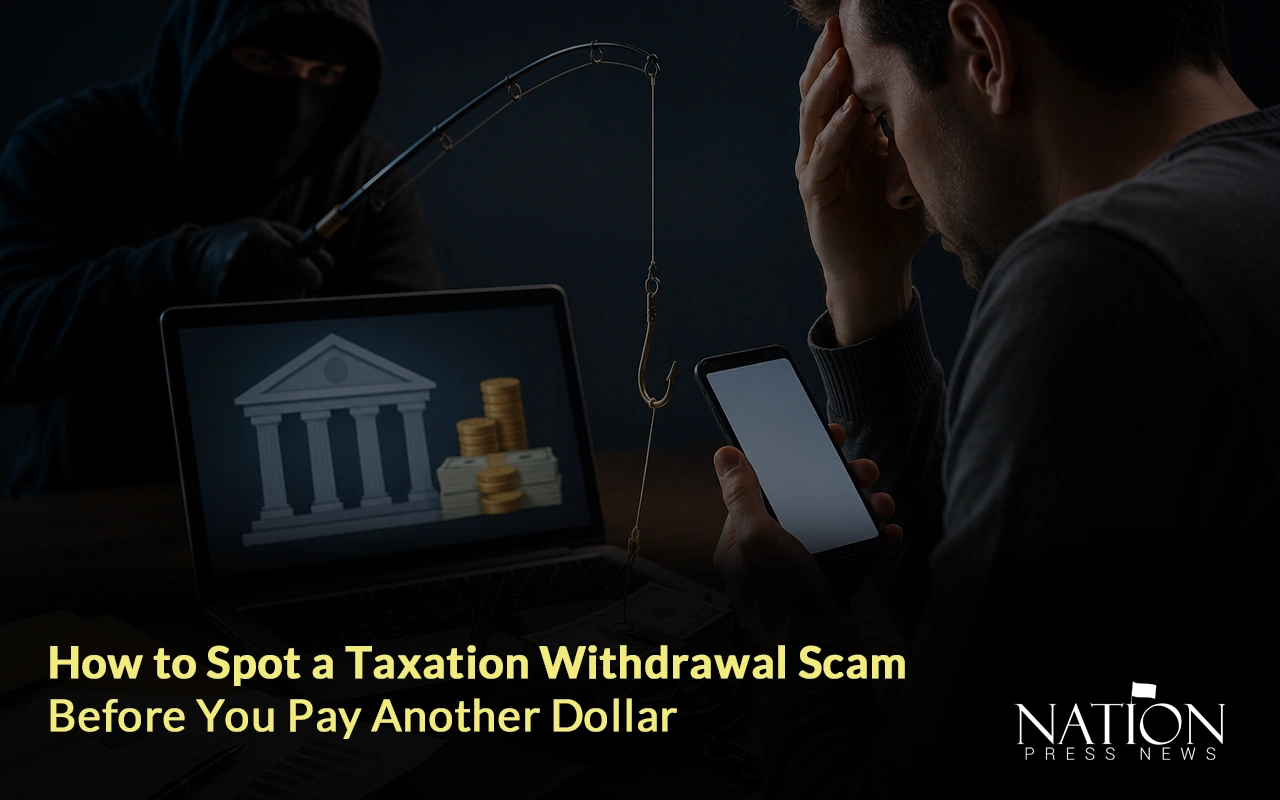
You finally hit withdraw. The screen loads… and then it stops you.
“Pay a tax clearance fee before your funds can be released.”
Sounds official, right? It’s not. And if you’ve seen this message, you’re already standing on the edge of one of the most common scams running right now.
It shows up across crypto exchanges, forex platforms, and “investment” apps alike. Different name, same trick: hold your money hostage behind a fee that supposedly unlocks it. It doesn’t.
Here’s how to recognize the warning signs before it costs you even more.
What This Scam Actually Looks Like
It usually shows up after you’ve been trading, investing, or “earning” on some platform for a while. Your balance looks great. Everything feels legit. You think you own it. They rely on this assumption because it makes the upcoming payment seem like the final obstacle rather than another warning sign.
Suddenly you owe:
- A “government tax” on your profits
- A “withdrawal processing fee”
- An “anti-money laundering clearance charge”
- Sometimes all three, one after another
Each one promises the same thing: pay this, and your money is finally yours.
It never is.
Why It Works So Well
Because it sounds real: taxes exist. Fees exist. Compliance checks exist. Scammers borrow that credibility and use it against you.
There’s also the sunk cost problem. You’ve already put in money, maybe weeks of “trading.” Walking away now feels like giving up on funds that are almost yours. So people pay the fee. Then another one shows up. Then another.
By the time most people realize what’s happening, they’ve paid several small amounts in pursuit of a single big payout that was never coming.
Why They Target the Withdrawal Stage
Scammers don’t ask for this “tax” upfront, and that’s deliberate. Early on, you’re not emotionally invested yet, and a suspicious fee would send you running.
But once your dashboard shows a big balance, everything changes. You’ve watched that number grow for weeks. That’s exactly what they are counting on. That’s exactly what they’re counting on. Once you believe the money is yours, every additional payment feels like the final hurdle rather than another warning sign.
The Red Flags, Before You Send Anything
Stop and check for these first:
- You’re asked to pay before you can withdraw. Real taxes get deducted from what you owe or reported after the fact- never demanded upfront as a condition of release.
- The fee has a countdown timer. Urgency is a pressure tactic, not a tax policy.
- Payment is requested in crypto or gift cards. No legitimate tax authority works this way. Ever.
- The platform can’t name the actual tax authority or provide a real reference number. Ask them directly. Watch how fast the story falls apart.
- Your balance keeps growing, but tax withdrawals keep getting blocked. That number on your screen isn’t real money. It’s bait.
If even one of these applies, stop where you are. Don’t pay “just this last fee.”
What to Do If You’ve Already Paid
First- you’re not the only one, and you’re not careless for falling for it. These scams are built by professionals who do this full time.
Here’s what actually helps:
- Stop sending money immediately. No matter what they claim, you still owe.
- Save everything. Screenshots, transaction hashes, chat logs, emails- all of it.
- Report it. To the platform (if it’s a real exchange), your bank or payment provider, and your country’s cybercrime unit.
- Watch for round two. Once scammers know you’ll pay, they often circle back- sometimes posing as “recovery agents” who can get your money back for another fee.
That last one catches people off guard the most. The follow-up scam can hurt worse than the original one.
Before You Trust Any Platform With a Withdrawal
A few quick checks, before you deposit anything else:
- Search the scam recovery platform name along with “withdrawal problem” or “scam”
- Look for licensing with real regulators, not vague claims of being “certified”
- Test with a small withdrawal early, before trusting it with more
- Be suspicious of any support agent who’s more focused on your next payment than your actual problem
None of this takes long. It takes far less time than trying to recover money that’s already gone.
The Bottom Line
Taxes don’t work like a toll booth blocking your own money. If a fund recovery platform is asking you to pay to unlock funds that are already yours, that’s not tax compliance. That’s the scam.
The best move is the one you make before sending that next payment- not after.