Why Cryptocurrency Scams Are Increasing Worldwide
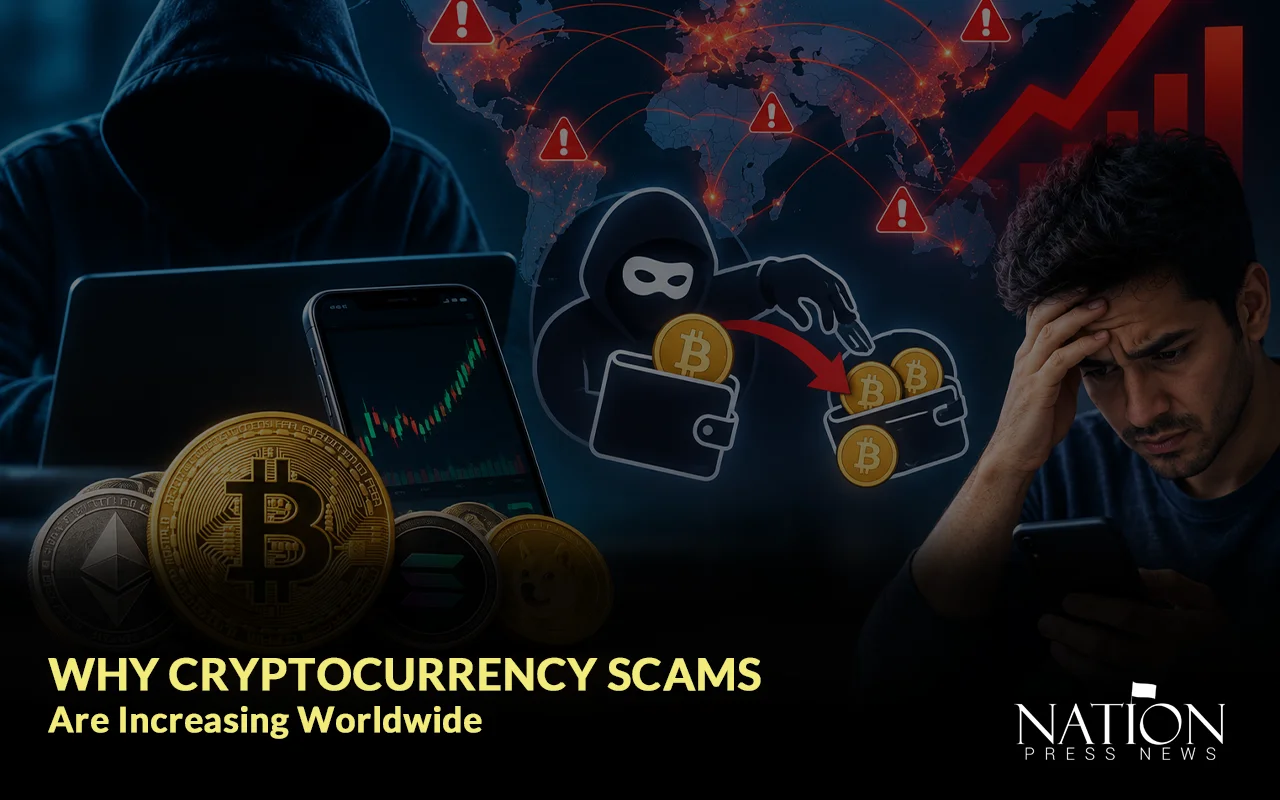
A few years ago, crypto scams were largely a niche issue, something that happened to people chasing the next big coin on obscure forums. That’s not the world we live in anymore.
Reported cryptocurrency scam losses have reached billions of dollars in recent years, and victims include people from a wide range of backgrounds.
They’re retirees, small business owners, people who’ve never touched crypto before in their lives. So what changed?
More Money, More Targets
The simplest answer is scale. Crypto is no longer a fringe asset class. It is mainstream enough that your uncle probably owns some. And it is mainstream enough that scammers know it. Trillions of dollars, and a huge chunk of the public who doesn’t quite understand how the industry works. That knowledge gap can create opportunities for scammers to exploit users who are less familiar with how cryptocurrency works.
And the entry point keeps getting lower. You used to need some technical know-how to buy Bitcoin. Now you can do it from an app in under five minutes. Easier access for legitimate users means easier access for the people trying to exploit them too.
Anonymity Cuts Both Ways
Blockchain transactions are traceable in theory; every transfer sits on a public ledger. But tracing a wallet address back to an actual human is a different story, especially once funds get bounced through mixers or moved across chains.
That combination of a public ledger and private identity is exactly what makes crypto attractive to fraudsters. They get the appearance of a legitimate financial system without the accountability that comes with a real bank.
Compare that to a wire fraud case involving a traditional bank. There’s a paper trail, a compliance department, and sometimes a chance to reverse the transaction.
Cryptocurrency transactions can have different dispute, reversal, and consumer-protection mechanisms than traditional bank transfers, depending on the asset, platform, and circumstances.
Cryptocurrency transactions can be difficult to reverse once confirmed, so verifying the recipient and transaction details before sending is important.
Scammers Have Gotten More Sophisticated
Early crypto scams were clumsy, obvious phishing emails, get-rich-quick schemes with laughable promises. Today’s scams are far more polished. Romance scams now unfold over weeks or months, with scammers building real emotional trust before ever mentioning an “investment opportunity.”
Fake trading platforms can closely imitate legitimate exchanges, sometimes using fabricated account dashboards and displayed gains to encourage victims to deposit additional funds.
There’s also been a shift toward organized operations rather than lone actors. Some scam networks are more like call centres than criminal hideouts, with scripts, quotas, and management structures. That kind of organization is one reason the losses have grown so dramatically.
Regulation Hasn’t Caught Up
Laws around crypto vary wildly from country to country, and enforcement is even more inconsistent. Cross-border scams can create additional investigative and enforcement challenges because authorities may need to coordinate across different jurisdictions.
Cross-border investigations take time and money, and require cooperation that is not always forthcoming.” These differences can make cross-border fraud more difficult to investigate and may influence how organized scam groups operate.
Social Media Has Made It Easier to Reach People
Platforms built for connection turned out to be excellent tools for fraud too. Fake celebrity endorsements, cloned accounts, and misleading influencer promotions can give scammers direct access to large audiences, reducing some of the barriers that previously limited their reach.
Where This Leaves Us
Gaps in consumer awareness, platform accountability, and regulatory coordination can create opportunities for scammers to exploit users.
For people who have already lost funds to a cryptocurrency scam, fund recovery services may provide guidance on documenting transactions, identifying relevant evidence, and understanding potential recovery options.
The first step to not becoming a statistic is to understand why these scams are increasing and what steps you can take if you become a victim.