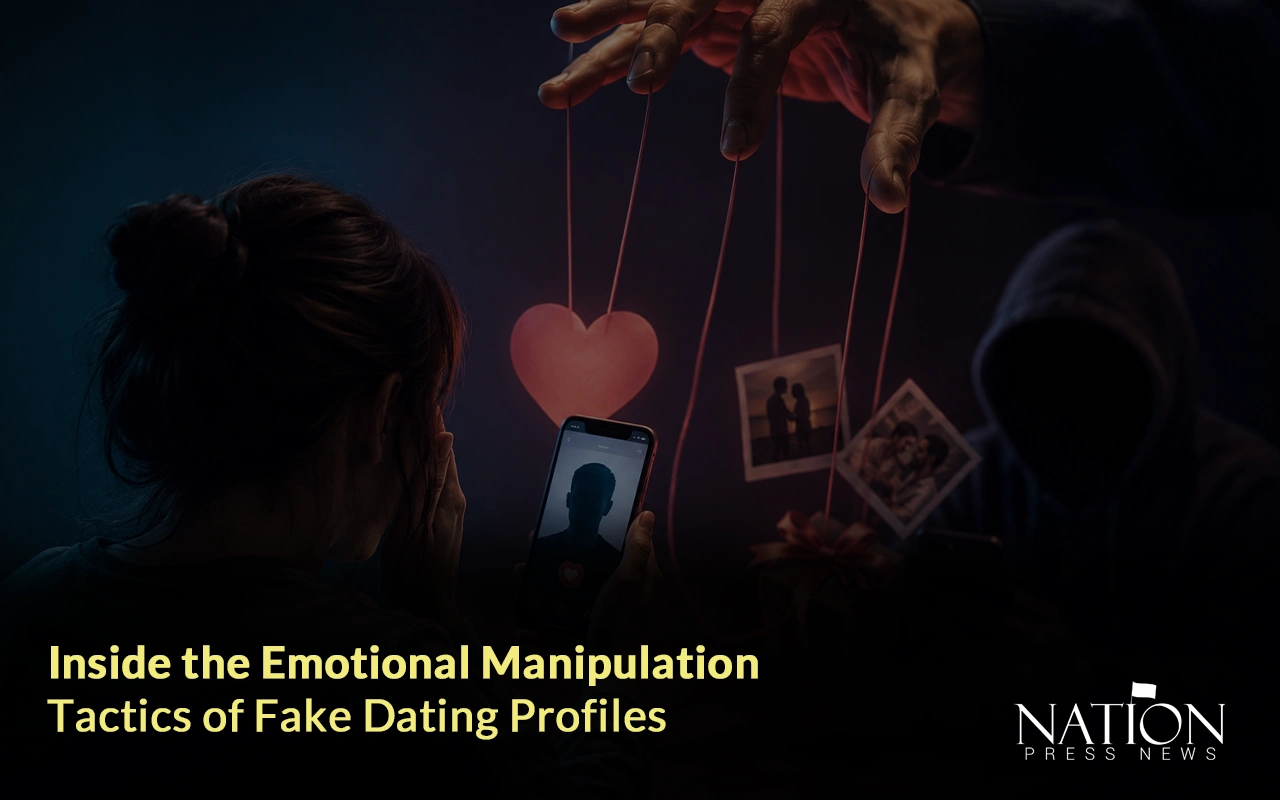
Inside the Emotional Manipulation Tactics of Fake Dating Profiles
Romance scams don’t start with a request for money. They start with a “good morning” text and end up costing people their life savings. Here’s how the trust gets built before the theft ever happens.
It Never Feels Like a Scam While It’s Happening
That’s the part people miss. Nobody swipes right expecting to fall for a con artist. The profile looks normal: a nice photo, a believable job, maybe a widowed parent or a deployed soldier story. It doesn’t seem like fraud at all.
And that’s precisely the point. Scammers are more interested in selling attention than they are in selling a false identity. Real, consistent, flattering attention. For a lot of people, especially those who are lonely or going through something hard, that attention is the hook long before any money ever comes up.
How the Trust Gets Built, Step by Step
- Love bombing early on. The messages come fast and often. Good morning texts, long replies, compliments that feel personal even when they’re copy-pasted templates. It’s overwhelming in a good way- until it isn’t.
- Mirroring your life. Scammers pay close attention to what you say. Your job, your kids, your favourite show, the town you grew up in. They repeat it back to you later, and it feels like real connection. It’s not. It’s a script built from your own words.
- Building a shared future. Within weeks, there’s talk of meeting up, moving in together, even marriage. It’s fast, but it doesn’t feel rushed at the time- it feels like fate. That’s intentional. The sooner you’re emotionally invested, the harder it is to walk away later.
- Introducing a “reason” they can’t meet in person. A work contract overseas. A military deployment. A sudden family emergency. There’s always a reason the relationship stays online, and it’s always believable enough not to question.
- Isolating you, quietly. They may not tell you to stop talking to friends or family. Instead, they position themselves as the one person who truly understands you, which does the same job without ever sounding controlling.
Why This Actually Works on Smart People
This is the bit that trips people up. Falling for this isn’t about being naive. It’s about being human.
Emotional trust is the reason your guard drops before your judgment does. Once someone feels like family, red flags stop looking like red flags. They look like small, forgivable quirks. “He’s just bad at video calls.” “She’s just going through a lot right now.”
By the time money enters the conversation, it usually doesn’t feel like a request from a stranger. It feels like helping someone you love through a rough patch. That’s not a coincidence. That’s the entire design.
And it’s rarely just one scammer working one victim. Many of these profiles are run off scripts, shared across multiple accounts, sometimes by entire teams working through a rotation of “boyfriends” and “girlfriends” at once. The messages that feel so personal to you are often being sent, with small tweaks, to several people at the same time.
The Financial Ask Rarely Comes All at Once
It starts small: a phone bill, a visa fee, or another seemingly minor expense. Something urgent but modest, and something you can afford to help with. Once that’s paid, the story escalates- a medical emergency, a stuck shipment, a legal problem overseas. Each request builds on the trust from the last one.
By the time the amounts get serious, walking away feels like abandoning someone. That emotional pull is often stronger than any financial common sense.
What Actually Helps
- Decelerate the timeline. If someone you’ve never met in person talks about getting married or moving in within a few weeks, it’s not romance but a warning sign.
- Reverse image search their photos. It takes thirty seconds and catches a surprising number of fake profiles.
- Be honest with someone outside the relationship. Scammers thrive in secrecy. Telling a friend or family member what’s going on- even if it feels embarrassing- often breaks the spell faster than anything else.
- Never send money to someone you haven’t met. Not for a phone bill, not for a plane ticket, not for anything. This one rule alone prevents most of the damage.
The Bigger Picture
Because they don’t start with your wallet, romance scams are effective. They focus on your yearning for understanding, your loneliness, and your hope. The money only becomes possible after the trust is already there.
Knowing the pattern doesn’t make you immune to it- these tactics are built to bypass logic. But it does make it easier to notice when something that feels like love is actually just a very well-timed script.