Romance-to-Crypto Scam: When Love Leads to Investment Fraud
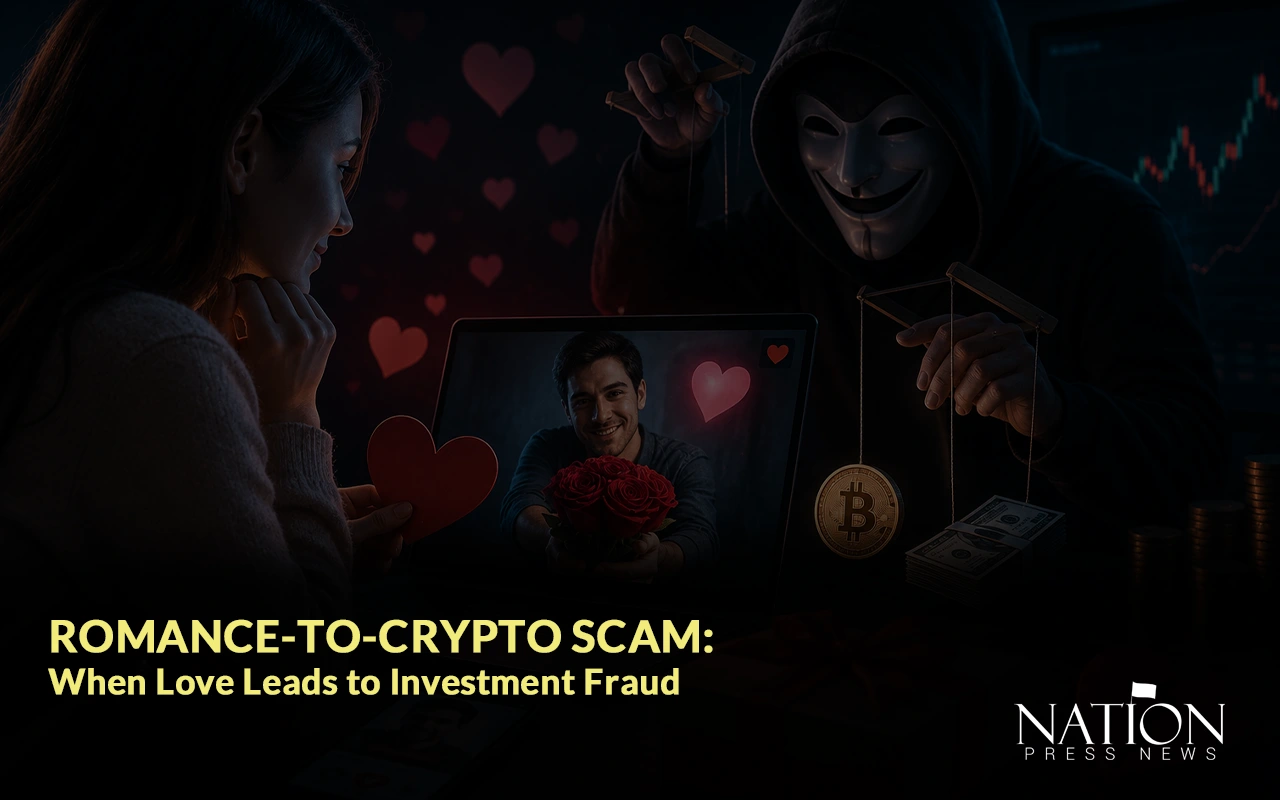
It rarely starts with money. A message is the first step.
It can be a “wrong number” text that starts a dialogue. Perhaps it’s a “like” on a dating app profile, followed by weeks of long, meaningful messaging about job, family, and future aspirations and good morning texts.
For the person receiving it, it feels real because, in a sense, it is. This is what makes this specific hoax so vicious. By the time crypto enters the conversation, trust is already built.
The Relationship Comes First
Romance scammers don’t rush. It is the aspect that people tend to undervalue. These aren’t clumsy strangers asking for gift cards on day one. They’re patient, and patience is the whole strategy.
For weeks, sometimes months, there’s no ask at all. Just conversation. Voice notes. Photos borrowed from someone else’s real life. A story about being an engineer on an oil rig, or a doctor stationed overseas, or a widowed entrepreneur too busy to date normally. Someone with a reason to never video call, and a reason that always sounds just plausible enough.
Then, almost casually, the topic shifts. They mention an investment. Crypto trading, usually. Something they’ve “been doing quietly” that’s been paying off. They’re not selling anything- they’re just sharing. And that’s exactly why it works.
The Platform Looks Real Because It’s Built To
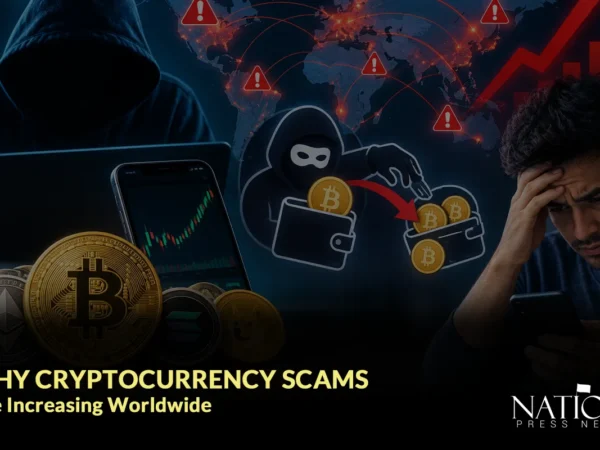
Here’s where the fraud gets technical. The scammer doesn’t ask for cash sent to a random wallet. They walk their target through setting up an account on what looks like a legitimate trading platform, complete with charts, customer support, even a working app.
Early on, it works. A small deposit turns into a visible profit. Withdrawals go through, at least the first couple of times. That’s not luck- it’s the setup. Scammers let victims win small so they’ll bet big later. Confidence gets built the same patient way the relationship was: brick by brick.
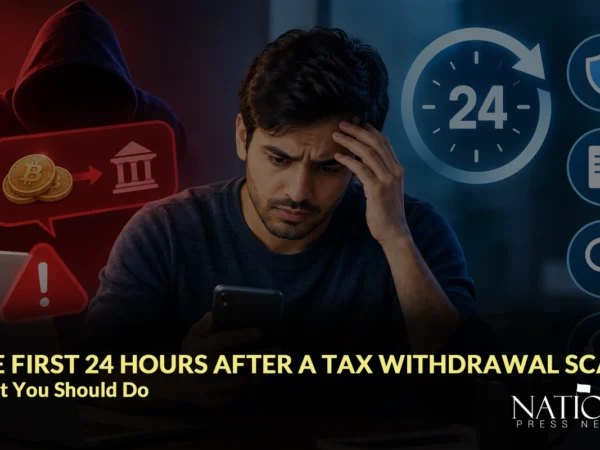
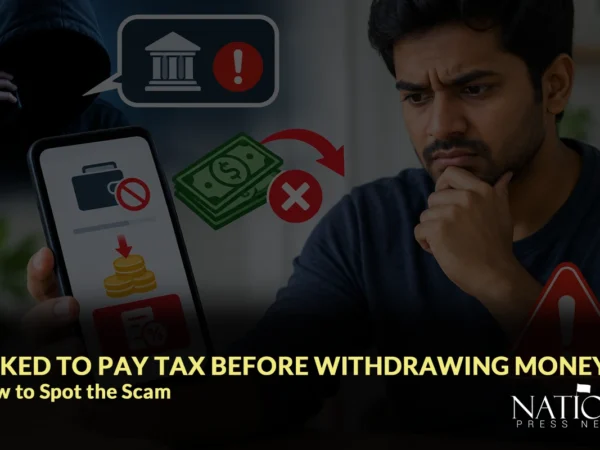
Once the amount invested climbs into the tens of thousands, the platform changes its tone. Withdrawals require a “tax.” Or a “verification fee.” Or the account gets “flagged” and needs an unlock payment. Every explanation sounds bureaucratic enough to be believable, and by then, so much has already been paid in that walking away feels like the bigger loss.
Why Smart People Fall for This
Everyone asks the same question, yet it is incorrect. Gullibility is not the objective of the fraud. It targets loneliness, and loneliness doesn’t check your IQ first.
Victims of romance-to-crypto fraud are frequently well-educated, financially literate people. Divorced professionals. Widowers. People going through a hard stretch who wanted, more than anything, to be talked to like they mattered. The emotional relationship is the actual product being sold. The crypto platform is just the delivery mechanism.
And once real feelings are involved, the brain does something inconvenient: it protects the story instead of questioning it. Doubts get explained away because the alternative- accepting that the relationship itself was fake- is far more painful than losing money.
The Warning Signs, If You Know Where to Look
A partner met online who has an urgent, specific reason to avoid video calls or in-person meetings. An investment opportunity introduced only after real trust has formed. Withdrawals that work fine until the amount gets large, then suddenly don’t. Requests for additional payments to “release” funds that are supposedly already yours.
None of these signs is obvious in the moment, because they’re wrapped in genuine-feeling affection. That’s the design.
What Actually Helps
If you suspect this is happening to you or someone you care about, the first move isn’t confrontation- it’s verification. Reverse-image search their photos. Ask specific, unscripted questions about their claimed job or location and see how the answers hold up under pressure. Never send an additional payment to “unlock” stuck money; that request is the scam continuing, not a way out of it.
If money is already gone, document everything: wallet addresses, transaction IDs, every message. Report it to your bank or exchange and to your country’s fraud reporting agency. Recovery isn’t guaranteed, but acting fast and avoiding “recovery agents” who ask for upfront fees matters more than almost anything else at this stage.
The hardest part of these scams was never the technology. Crypto is just the current disguise.
Attention, patience, and the basic human urge to be desired have always been the true weapons. While realizing that doesn’t lessen the pain of the loss, it does make the next message much more apparent.