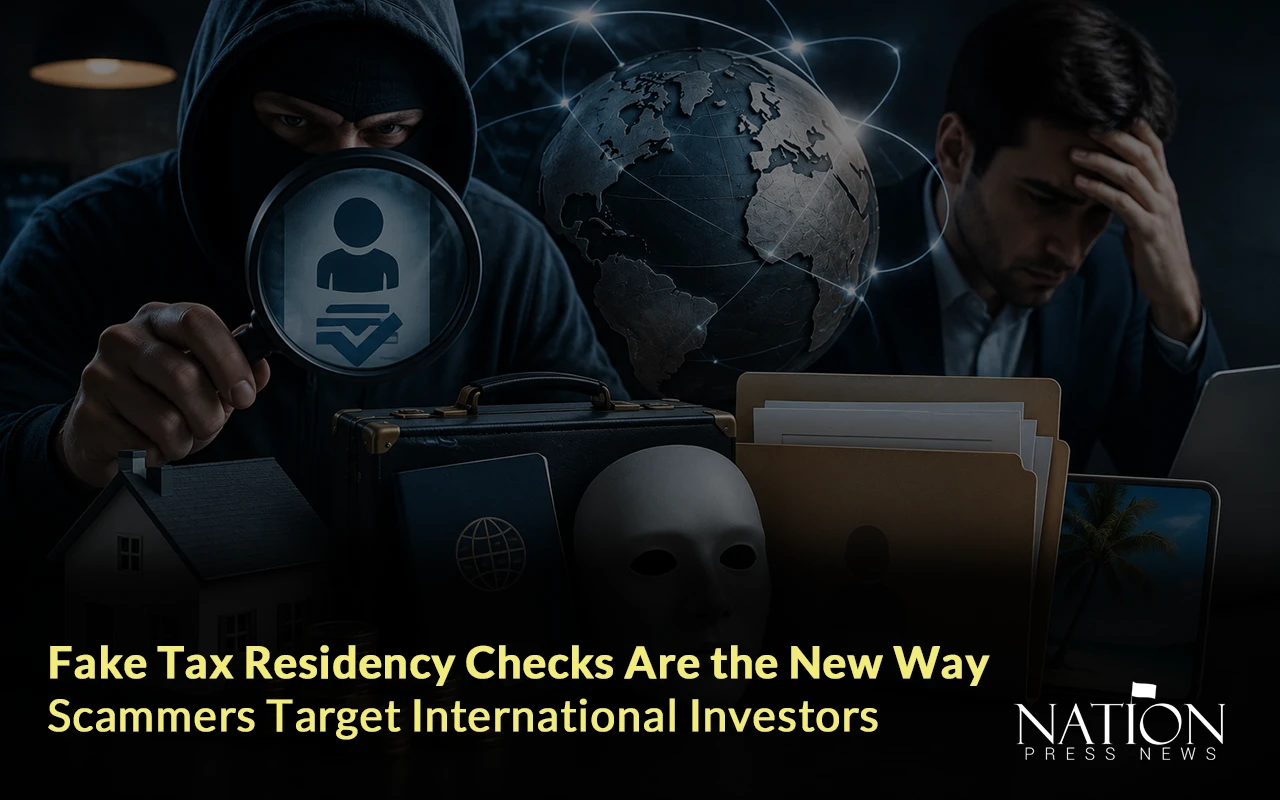
Fake Tax Residency Checks Are the New Way Scammers Target International Investors
You did everything “right.” You used an escrow service because everyone tells you escrow is the safe move in crypto deals. The platform had a well-designed dashboard, the vendor appeared trustworthy, and the transaction was going smoothly.
Then, just before release, a notification appears stating that your money is blocked until a “tax residency verification.” Perhaps it is presented as a check to prevent money laundering. Perhaps it refers to some esoteric, unfamiliar cross-border tax pact.
In any case, there is a price involved, and until you pay it, your money won’t go anywhere. You’re not dreaming if this sounds familiar. It is one of the escrow fraud versions that is expanding the fastest, and it is designed to surprise foreign investors.
Why Crypto Escrow Scams Work So Well
Cross-border crypto deals already come with a layer of genuine bureaucratic uncertainty. Different countries really do have different reporting requirements, and most people don’t know the details of tax law in a jurisdiction they’ve never lived in. It’s precisely that gap that scammers use.
They create a compliance process that seems sufficiently plausible, official-sounding, somewhat bureaucratic, and wrapped in language that resembles actual regulatory text. They then rely on your ignorance to prevent you from challenging it.
The phony escrow platform itself typically has a realistic appearance, with a simple user interface, a quick-responding support chat, and possibly even a countdown timer to increase pressure.
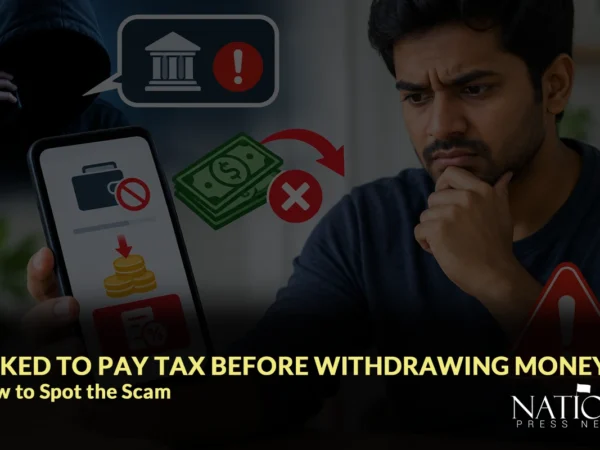
Then, once your crypto is sitting in their “escrow wallet,” the residency check appears out of nowhere. You’re told you can’t withdraw or complete the transaction until you pay a “verification fee,” a “compliance bond,” or a “foreign tax clearance.”
None of these are real requirements. No legitimate escrow service holds your funds hostage over a tax status check, and no tax authority collects payment through a crypto escrow platform.
The Pattern, Once You See It
These scams tend to follow the same rhythm. The deal starts normally, sometimes with a small test transaction that goes through fine, just to build trust. Then the real transfer happens, and that’s when the “hold” kicks in.
The residency check comes with a deadline, usually short, usually urgent-sounding, designed to make you pay before you have time to think it through or ask someone who’d recognize it as fake. If you push back or ask questions, the story shifts, a new document is needed, a new fee appears, or the amount somehow increases.
The tell is almost always the same one: legitimate financial and tax obligations don’t get discovered mid-transaction by a random escrow platform. They exist in public law, and any real requirement can be verified independently, not just taken on the word of whoever is currently holding your money.
How to Handle Being Caught in One
As soon as a fee request that wasn’t included in the first agreement appears, stop providing money. These websites frequently disappear once they’ve squeezed what they can, so save everything: wallet addresses, transaction hashes, chat logs, and the platform’s URL before it disappears.
If you made a payment via an exchange, get in touch with customer assistance right away. Some can flag or freeze related accounts more quickly than you might anticipate. Report the platform to your national fraud or financial crimes authority, and if it referenced a real tax agency, report it to that agency too, since they track impersonation complaints.
Blockchain transactions leave a trail, even when the platform holding your funds doesn’t want you to believe that. It doesn’t guarantee recovery, but it does mean tracing isn’t hopeless, especially if multiple victims report the same operation close together.
The Second Wave
Once you’ve lost money this way, expect to be approached by “recovery specialists” who claim they can get it back for an upfront fee. This is almost always the same scam wearing a different outfit.
Real recovery help doesn’t cold-message you, and it doesn’t ask for payment before doing any actual work.
There’s no shortcut here, unfortunately. Just caution, documentation, and a healthy suspicion of any fee that shows up after the deal has already started.